Tarot card meanings: all 78 cards, upright and reversed
A list of every tarot card’s meaning, upright and reversed: the 22 Major Arcana and the 56 Minor Arcana — Wands, Cups, Swords and Pentacles.
A tarot deck has seventy-eight cards, and each of them is a picture before it is a meaning. The deck on these pages is the Rider–Waite, drawn by Pamela Colman Smith and first published in 1909, whose images many modern decks still follow. Twenty-two of its cards are the Major Arcana, the large themes of a life. The other fifty-six are the Minor Arcana: four suits of fourteen cards that deal with the days in between. Each suit counts from the Ace to the Ten and ends with four court cards — the Page, the Knight, the Queen and the King — which are often read as people, or as ways of being that a moment asks for.
Every card below has a page of its own: what the picture shows, then its meaning upright and reversed, each read through love, through work and money, and through what the card asks of you. The keywords beside each name are the short version. None of it tells the future. The cards are a way of looking at a question, for reflection and entertainment rather than prediction.
Major Arcana
The Major Arcana run from the Fool, numbered zero, to the World, numbered twenty-one. Read in order, they are often called the Fool's journey: a sequence of meetings — with will and intuition, with authority and love, with loss and with hope — that ends where a new beginning becomes possible. When one of them appears in a reading, tradition gives it more weight than a minor card: it points at the larger movement a question sits inside rather than at the details of the day.
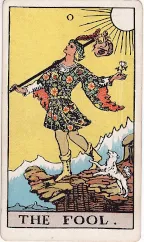
The Fool
Upright: new beginnings, spontaneity, leap of faith
Reversed: recklessness, hesitation, naivety
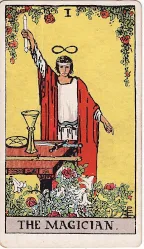
The Magician
Upright: willpower, skill, manifestation
Reversed: manipulation, untapped talent, illusion
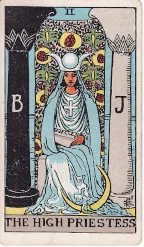
The High Priestess
Upright: intuition, inner voice, mystery
Reversed: ignored intuition, secrets, silence
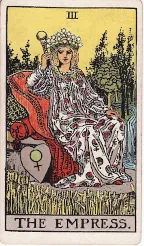
The Empress
Upright: abundance, nurturing, creativity
Reversed: creative block, dependence, stagnation
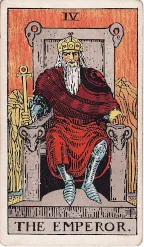
The Emperor
Upright: structure, authority, stability
Reversed: rigidity, domination, lack of discipline
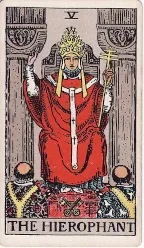
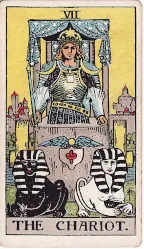
The Chariot
Upright: determination, control, victory
Reversed: lack of direction, aggression, obstacles
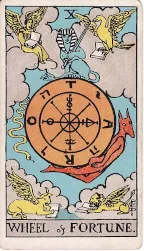
Wheel of Fortune
Upright: cycles, destiny, turning point
Reversed: bad luck, resisting change, setbacks
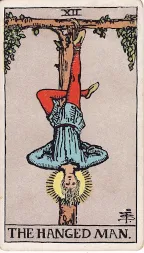
The Hanged Man
Upright: pause, surrender, new perspective
Reversed: stalling, resistance, sacrifice in vain
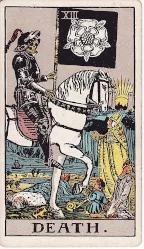
Death
Upright: endings, transformation, release
Reversed: fear of change, clinging to the past, stagnation
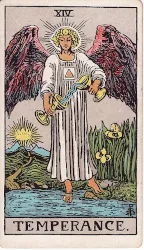
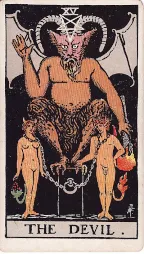
The Devil
Upright: attachment, temptation, restriction
Reversed: release, reclaiming power, awareness
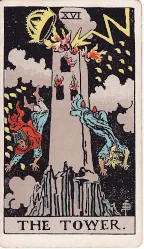
The Tower
Upright: sudden change, upheaval, revelation
Reversed: averted disaster, fear of collapse, delayed change
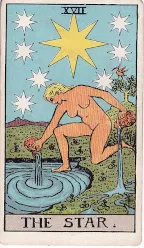
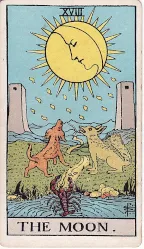
The Moon
Upright: intuition, illusion, the unknown
Reversed: clarity, released fear, confusion fading
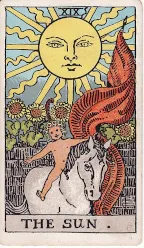
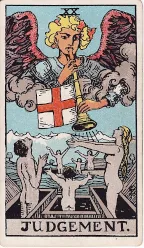
Judgement
Upright: awakening, reckoning, second chance
Reversed: self-doubt, ignoring the call, harsh self-judgment
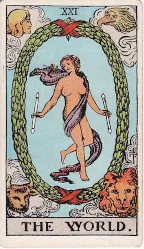
The World
Upright: completion, wholeness, achievement
Reversed: unfinished business, delays, lack of closure
Tarot reading for two: what happens between you
A seven-card spread about a bond between two people. It does not guess at anyone’s thoughts — it reads what happens between you and the step that is yours to take.
Spreads of the season
Tarot spreads for the nights the tradition keeps for divination, with the customs that go with them.
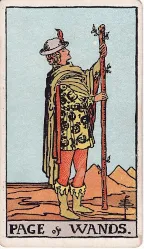
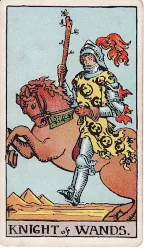
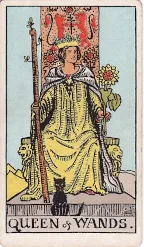
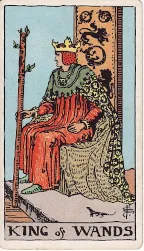
Wands
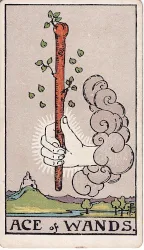
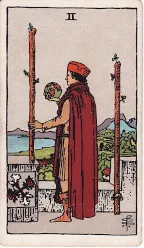
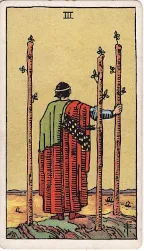
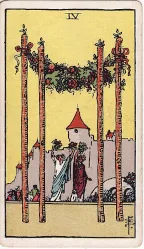
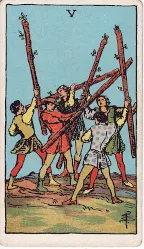
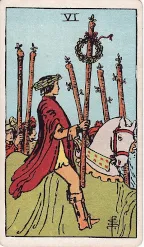
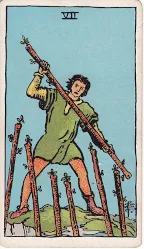
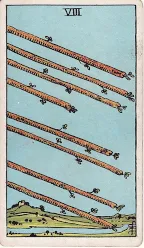
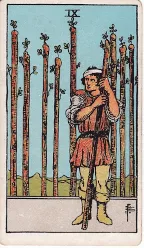
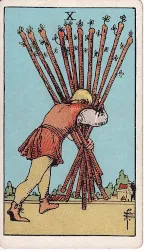
Wands are the suit of fire: drive, ambition, creativity and the will to begin. Their cards follow an idea from the first spark of the Ace to the heavy load of the Ten, and they ask what you are putting your energy into — and whether it is still yours to carry.
Cups
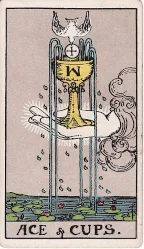
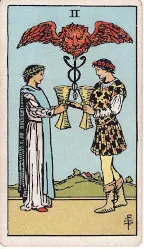
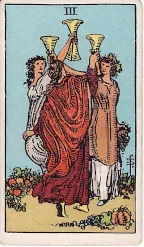
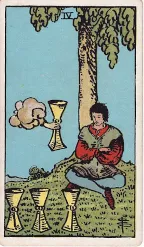
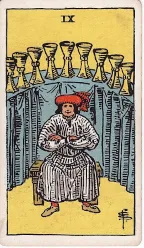
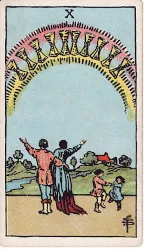
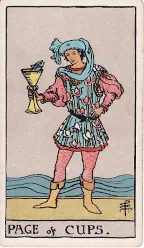
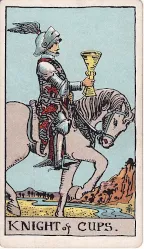
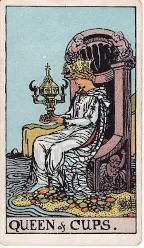
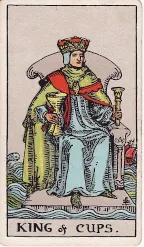
Cups are the suit of water: feelings, relationships, intuition and what the heart keeps. From the overflowing cup of the Ace to the family under the rainbow in the Ten, they trace how affection is offered, received, lost and found again, and they ask what you feel rather than what you think you ought to feel.
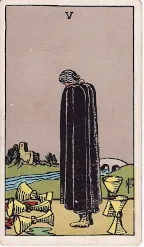
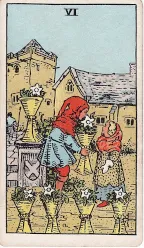
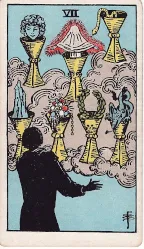
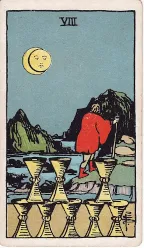
Swords
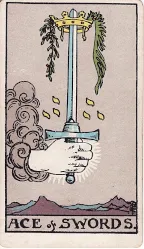
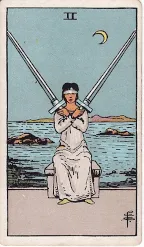
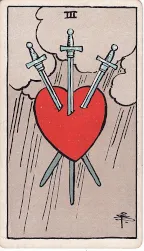
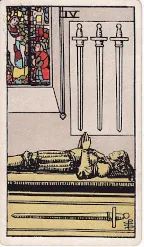
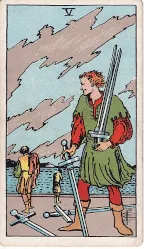
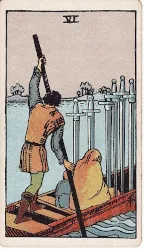
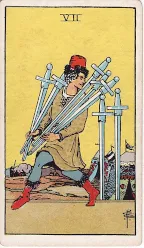
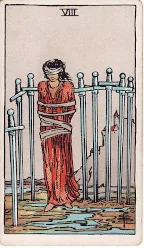
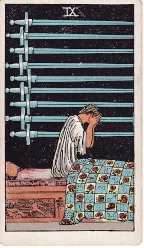
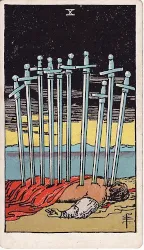
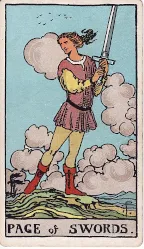
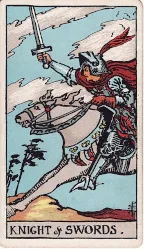
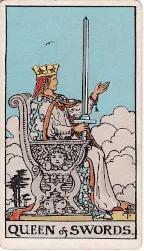
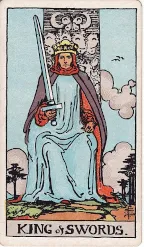
Swords are the suit of air: thought, speech, conflict and truth. They cut both ways — toward clarity and toward the pain that clarity can bring — from the raised blade of the Ace to the hard ending of the Ten. The suit asks what you believe about a situation, and whether the story you are telling yourself is the only one available.
Pentacles
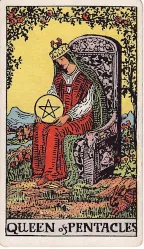
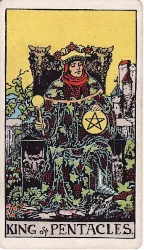
Pentacles are the suit of earth: work, money, the body, home and the slow business of building. From the coin held out in the Ace to the settled household of the Ten, they are about what can be held, grown and handed on, and they ask what you are tending, and at what pace.
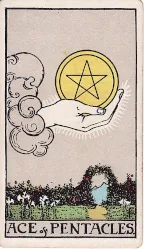
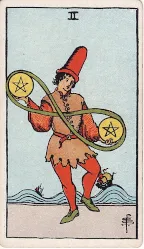
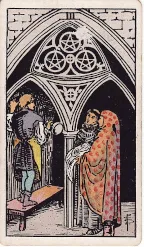
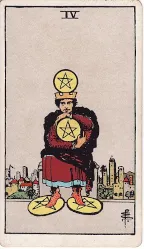
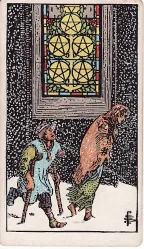
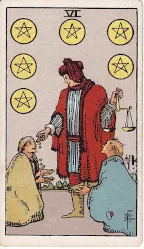
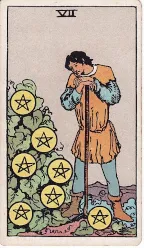
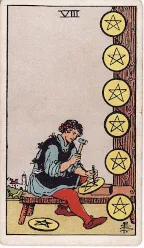
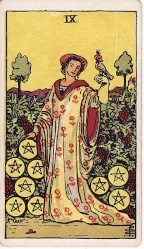
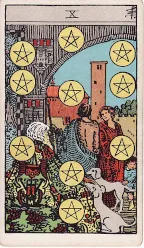
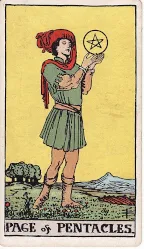
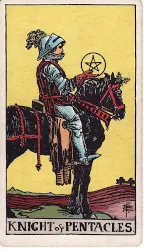
Upright and reversed
A card can land the right way up or upside down. Upright, it speaks in its most direct voice: the quality it names is present and within reach. Reversed, the same quality is still there but turned — blocked, overdone, held back or pointed inward. A reversal is not the card's opposite and not a bad omen; it is the same subject seen from an awkward angle, and often the more useful one to look at.
Some readers set reversals aside and read every card upright; each page here gives both, so the choice stays yours. Either way, a card offers a question rather than a forecast: what you are noticing, and what you might do with it.
Tarot card numbers: what the numbers mean
In the Minor Arcana the number on a card carries as much of its meaning as the suit. The tradition reads the numbers as one story told four times: the Ace is the seed, the gift of the suit in its purest form; the Two is a choice or a meeting; the Three is the first growth, something shared or made; the Four is stability, sometimes standing still; the Five is the test, a loss or a conflict; the Six is the recovery and the exchange that follows it; the Seven is the challenge of holding a position or a vision; the Eight is movement and work; the Nine is near-completion, what has been gathered; the Ten is the end of the cycle, fulfilled or overloaded, and the point where a new one begins.
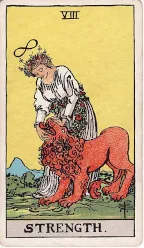
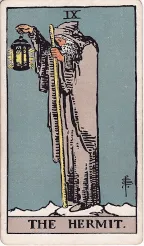
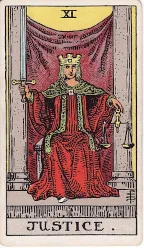
Read this way, the same number links cards across the suits — the Nine of Pentacles, the Nine of Cups, the Nine of Wands and the Nine of Swords all stand near the end of something, in money, in feeling, in effort and in thought — and the Major Arcanum with the same number gives the theme its larger form: every Nine echoes the Hermit, card IX. The Major Arcana are numbered from 0, the Fool, to XXI, the World. In the Rider–Waite deck used here Strength is VIII and Justice is XI; older decks, such as the Tarot de Marseille, have them the other way round, which is why some systems — the Destiny Matrix among them — number them differently.
The court cards: Page, Knight, Queen and King
Each suit ends with four court cards, and they are the hardest to read because they can mean a person, a role or an attitude. The Page is the beginner and the messenger: curiosity, news, a first try in the suit's territory. The Knight is the suit in motion — action, pursuit, sometimes haste. The Queen is the suit mastered inwardly: care, intuition, a steady presence. The King is the suit mastered outwardly: authority, responsibility, the power to decide for others as well as oneself.
In a reading a court card may point at someone in the questioner's life, at the way the questioner is acting, or at the way a situation asks to be met. The suit says in which field — the Queen of Pentacles is the one who makes a home and a budget work, the Knight of Swords the one who argues first and listens later. Each court card's page below describes it as a person and as feelings, as well as upright and reversed.
Tarot card combinations: reading cards together
A card on its own is a word; a spread is a sentence. When cards fall together, the tradition reads them through what they share and what they add to each other. Many Major Arcana in one spread suggest that the question touches a larger turn in life rather than a passing matter. A suit that dominates names the field the question really lives in — Cups for feelings, Pentacles for money and the body, Swords for thought and conflict, Wands for drive and work. Repeated numbers repeat a stage: three Fives in a spread speak of a testing time on several fronts at once.
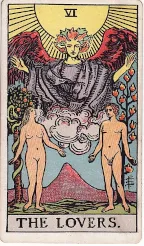
A neighbouring card colours the meaning of the next. The Nine of Pentacles, the card of independence earned by one's own work, reads differently beside the Lovers — a self-sufficient life meeting a choice of the heart — than beside the Five of Pentacles, where the question becomes how secure that comfort really is. Reading a combination is therefore less a matter of a fixed table of pairs than of letting each card answer the others; each card's page gives its meanings so that you can do exactly that, and the app reads a whole spread around your own question.